
Estimated Reading Time
- 3 min
TLDR
Are you looking to start the new year off with a new high-volume binding solution? Perfect binding machines are an easy-to-use, affordable solution that can help you create professional bound documents. This article covers everything you need to know about perfect binding so you can decide if it’s the best choice for you.
Magazines, catalogs, novels— there’s nothing quite like a well-bound, attractive-looking commercially produced paperback to capture attention and make reading a joy. And there’s one binding solution that offers the ultimate combination of professionalism and beautiful appearance: perfect binding. These book binding machines have standardized how books, catalogs, and magazines are put together, offering a sleek and durable finish that creators and readers love.
Whether you’re a newer print shop planning to expand or a school or business looking to start the new year by binding your own textbooks and yearbooks, top-quality brands like Coverbind offer the perfect solution. But what’s the big deal about perfect binding, anyway?
This article covers everything you need to know, including:
- What is perfect binding
- How the binding process works
- The best perfect binding systems in 2024
- Types of projects you can make with these machines
What is Perfect Binding?
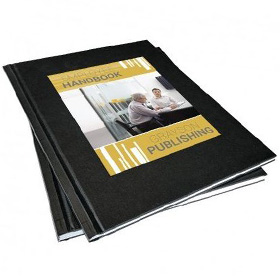
Various binding techniques have their unique charm, but the perfect binding method stands out for its elegance and efficiency. Also known as adhesive binding and soft cover binding, perfect binding is a bookbinding method in which a flexible adhesive attaches a paperback or soft cover to a book block of assembled pages. The result? A clean, professional-looking spine and crisp, square edges that make the book easy to stack, display, and handle.
Besides its appearance and user-friendly design, perfect binding’s adaptability to various page counts and project sizes sets it apart. Whether you’re looking to bind a thick novel, a thin brochure, or anything in between, perfect binding offers a sustainable solution. It’s also equally effective for high-volume projects and low-volume runs. So it’s an ideal choice for businesses and print shops looking to offer quality binding solutions to their clients, regardless of the scope or scale of their projects.
How to Bind a Perfect Bound Book
The perfect bind technique is fairly straightforward, even when using high-volume systems. Let’s walk through the key steps, noting that each machine will have its own unique process.
- Collate signatures: First up, gather all the inner pages and fold them into signatures to create a book block. Then, send it spine-down through the binder.
- Roughen the spine: Next up is preparing the spine. The binding machines will clamp on the pages and move the book block across a roughing blade. This makes the block spine jagged and flat so the glue can penetrate deeper into the paper for a stronger bind.
- Apply the spine glue: Now the book block goes through the glue station spine-side down. During this step, EVA glue —a hot-melt adhesive that’s strong, yet flexible— gets applied to the book’s spine via applicator wheels.
- Apply side glue: After the spine glue, it’s time for the side glue. The machine applies a separate hot-melt adhesive for the side of the spine that gets glued to the cover, known as the backbone. It uses a metering roller to remove extra glue and apply the adhesive evenly on the backbone so that it’s fully covered.
- Score the inside spine: The inside spine gets a neat score so the cover can fold neatly around the book block.
- Attach the cover: As it meets the spine, the machine presses the cover firmly into place, with the nipping station clamping to ensure a strong bond.
- Dry the glue: Finally, the book goes down the conveyor belt for some chill time. The machine precisely calculates how long the book needs to dry to be ready for trimming.
- Trim the book: Once the glue is just dry enough, three big blades cut the head, foot, and thumb edges of the book.
Voila! In just eight steps, you’ve got a professional-looking, perfectly bound book ready for use.
Best Perfect Binding Systems in 2024
A binding project is only as successful as the equipment and tools you use. Thankfully, Coverbind offers easy-to-use softcover binding systems with competitive pricing suitable for various budgets and businesses. Consider the key features and advantages of some top-of-the-line Coverbind perfect binding machines for your high-volume binding needs in 2024.
Coverbind CPB1 Table-Top Perfect Binding Machine
With its easy operation and small footprint, the Coverbind CPB1 Table-Top Perfect Binding Machine is ideal for small on-demand and in-plant print shops or small businesses that need a compact, affordable, efficient binding solution.
Key Features
- Simple control panel and LCD display
- Compact tabletop design
- Automatic pneumatic clamp
- Clamp safety sensor
- Specialized nipping
- Serrated roughing blade with 4 notching pins
Advantages
- Cost-effective for various budgets
- Fast
- Space-saving
- Binds up to 360 books per hour
- Multi-person operation capabilities
- Easy to set up and operate
Standard BQ-160 Perfect Binding Machine
The Standard BQ-160 Perfect Binding Machine is an easy-to-use perfect binder that’s excellent for on-demand and short-run print shops who want a more hardy in-house binding solution. It’s designed for cut sheet applications and features an ergonomic, innovative design and robust construction that’s sure to keep churning out perfectly bound publications for years to come.
Key Features
- 3 switch-operated binding modes
- Automatic notching, adhesive application, and nipper clamping
- Two-way notching
- Dynamic nipper table
- Push-button book clamp
- Standby mode
- Dust vacuum system
Advantages
- Binds up to 180 books per hour
- Also offers paper padding at 120 cycles per hour
- Easy to operate
- Extra strong binding capability
- Quiet and clean operation
Coverbind CPB3SGCFC Perfect Binder with Side Gluing, Cover Feeder, and Creaser
The Coverbind CPB3SGCFC Perfect Binder is viewed as the best EVA binder on the market, and for good reason. Perfect for in-plant and on-demand print shops, this perfect binder has a host of high-quality features and significant advantages that are sure to make any high-volume binding project a smashing success.
Key Features
- Simple control panel
- Automatic pneumatic clamping mechanisms
- Serrated roughing blade with 4 notching pins
- Specialized nipping
- Side gluing on front and rear
- Twin gluing rollers and an adjustable metering roller
- Vacuum system
Advantages
- Binds up to 360 books per hour
- Easy to operate
- Fast
- Customizable project specifications
- Provides a strong bind
Applications for your Next Project
When it comes to perfect binding, the possibilities are virtually needless. Perfect binding can elevate the appeal and quality of a variety of printed materials, including:
- Novels
- Yearbooks
- Textbooks
- User manuals
- Magazines/brochures
- Corporate reports
- Catalogs
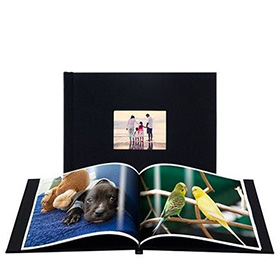
- Photo books
But their versatility doesn’t stop there. Besides soft cover perfect binding, many machines can also switch between paper padding and tape strip binding. Paper padding forms a pad by gluing sheets of paper together at one edge. It’s perfect for making notepads, memo pads, or tear-off sheets. On the other hand, tape strip binding uses a strip of tape along the spine to hold pages together, providing a quick and cost-effective way to bind documents like proposals or reports.
No matter your needs, perfect binding machines are a one-stop binding solution that can handle virtually any project you throw at it.
Common FAQs
What are the disadvantages of perfect binding?
While perfect binding offers numerous advantages, the cover is thinner than hardcover options, the book has a “gutter” space in the inner margins that reduces the design space, and thicker perfect bound publications don’t lay flat. For example, a thick 5”x7” perfect bound novel may not remain open without something to clip the pages, but a 8.5”x11” document with fewer pages may if you just press down to crease the spine a bit.
What is the maximum thickness for perfect binding?
The maximum thickness for perfect binding is 2.25 inches, and may also vary depending on the machine you have.
Is perfect binding more expensive than saddle stitch?
Yes, perfect binding is typically more expensive than saddle stitch. However, perfect binding can have a more professional appearance and is better for higher page counts than saddle stitch.
What is the difference between perfect bound and spiral binding?
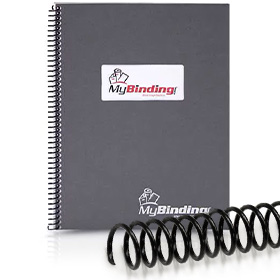
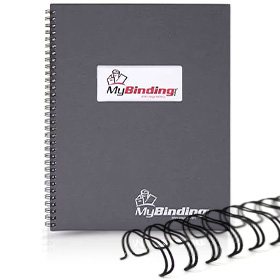
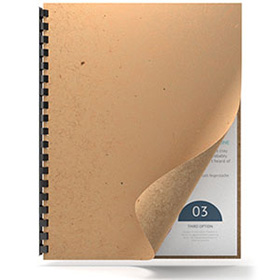
Perfect binding uses heat-activated adhesive to bind pages together, while spiral binding involves punching holes along the spine and threading a metal or plastic coil through them. Plus, unlike perfect binding, spiral binding allows you to open the book 360° and lay the book flat, making it a better option for documents that see heavy use like calendars and cookbooks.
The Perfect Bind, Everytime
Perfect binding is an excellent solution for any self-publishing print shop, business, or school looking to create aesthetically pleasing, commercially produced paperback printed materials. It can handle virtually any project you throw at it thanks to its remarkable versatility, and its easy process allows even newbies to create beautiful, professional publications.
If you’re looking for a trusted source for book binding machines and supplies, consider MyBinding! We use over 30 years of experience in the binding industry to provide high-quality products suitable for every need. Discover our range of perfect binding machines and supplies to see how we can help you create the perfect bind, every time.
Need one-on-one help finding the perfect solution? Give us a call at 1-800-944-4573, we’d be happy to assist you.