

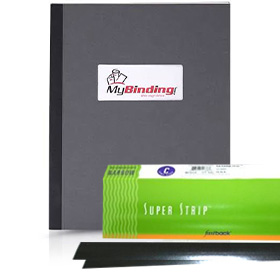
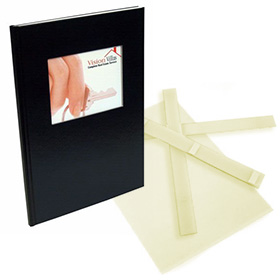
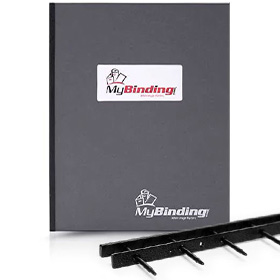

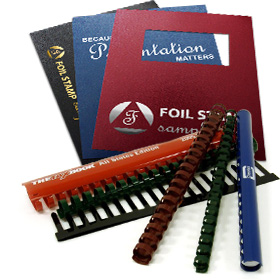
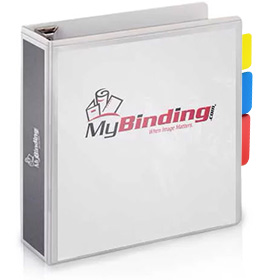
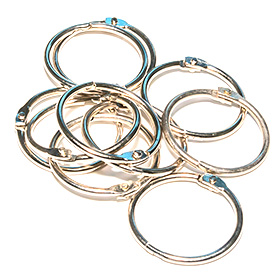
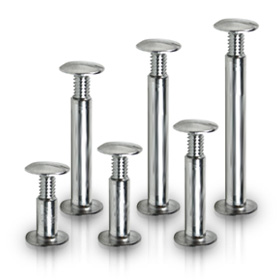
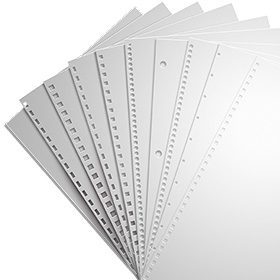
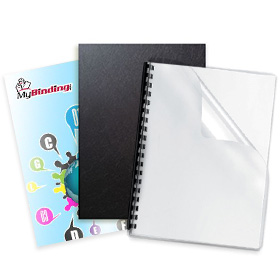

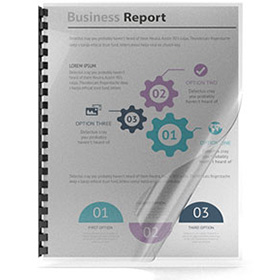
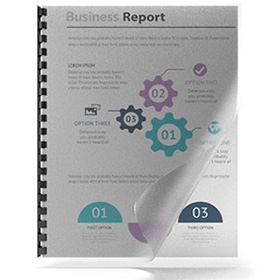
When you’ve finally finished writing, editing, and printing out your document, the time has come for you to choose an appropriate cover for it. There are a few things you’ll want to consider when picking out your cover so you’ll be able to choose the one that’s just right. Let’s take a look at them.
1.) Size. One of the most important considerations is size. Obviously, you wouldn’t use a half-letter size cover for a letter-sized document and vice versa. Generally speaking, the one you choose should correspond with the size of your document’s pages unless you want to utilize index tabs or desire the elegant look rounded corners offer. Those situations will warrant the use of a slightly larger cover, so try to remember that.
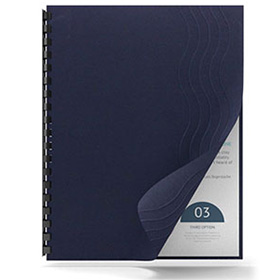
2.) Color. Another thing to think about is color. There are a lot to choose from and unless your work is for personal or creative use, a professional-looking hue is probably the best choice. This is especially true if your company is producing a lot of documents that are going to incorporate your company’s name and logo. Choosing complementary colors is a great idea, especially if you’re binding your work with a plastic comb or wire or spiral binding element. You don’t want the colors to clash because that wouldn’t look very good and it will distract from the content of your work.
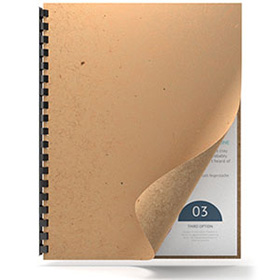
3.) Paper weight. The weight of the cover you choose matters to some extent. A lot of the ones you can choose from are pretty thick and range from 65 lbs. to 200 lbs. in weight. (A typical piece of paper has a 20 lb. weight.) The weight matters because you want to choose something that’s durable so the contents of your book will stay in great shape. (A more durable stock ensures that your work will look good for a long time no matter how often it’s handled.) Just keep in mind that you should choose a weight that will give your work the protection it needs while still being able to be run through your printer, if necessary.
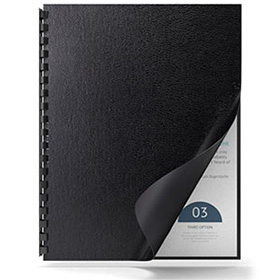
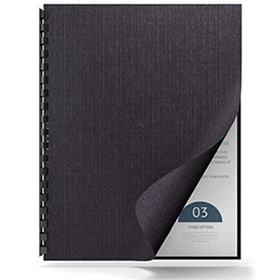
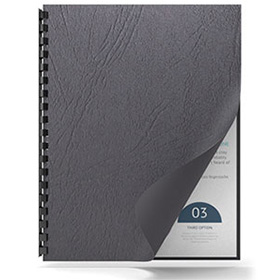
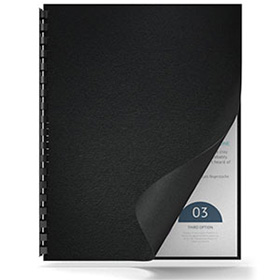
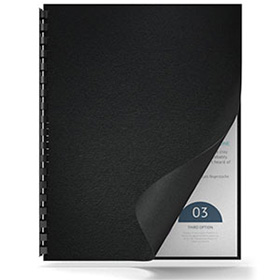
4.) Texture. A lot of the covers you can buy are perfectly smooth although there are other textures available. These include leatherette (which looks and feels like leather), linen, and so on. Using textured supplies can make your work stand out, so they’re definitely worth some consideration.
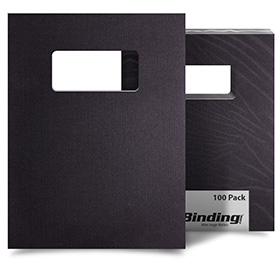
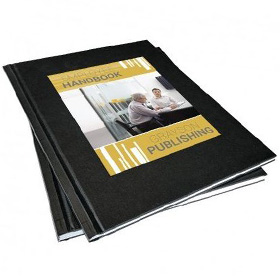
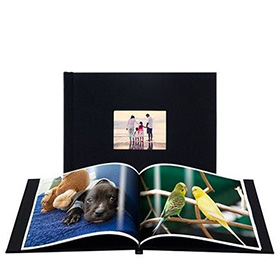
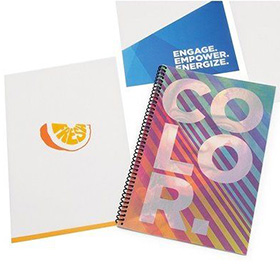
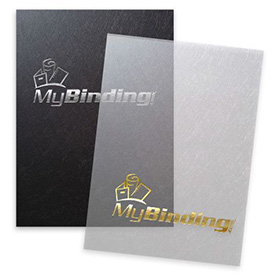
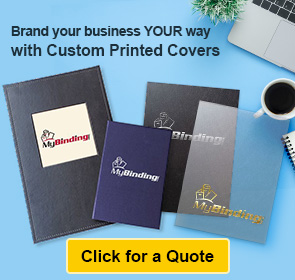
5.) Customization. Finally, you can order customized covers if you want. Some of the options you can choose from include foil printing (which is great for your company’s name and the title of your work), windows, and offset printing to name a few. If you choose to go this route, the possibilities are endless and you’ll undoubtedly create memorable documents. There are also several options when it comes to binding your reports and presentations:
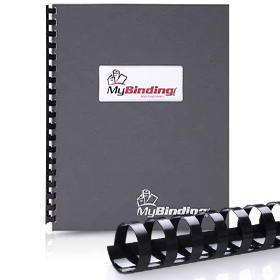
- Plastic Comb Binding: Comb bindings utilize 19 plastic rings that insert into corresponding rectangular holes on the edge of your bound document.
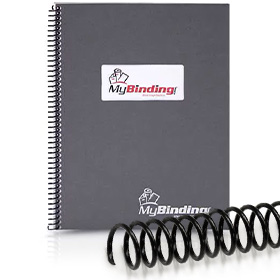
- Spiral Coil Binding: Coil bindings consist of a continuous coil that spirals through the holes in the paper. This type of binding is plastic or and is available in more than sixty different colors.
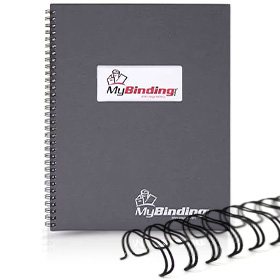
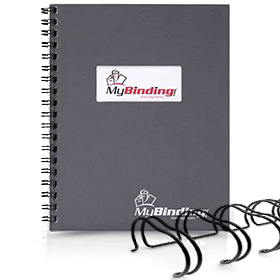
- Twin Loop Wire Binding:Also called double loop wire or wire-o, twin loop wire is made from a single piece of wire formed into a double loop. These wires are shipped in a C shape and are closed into a round shape using a twin loop wire closer.
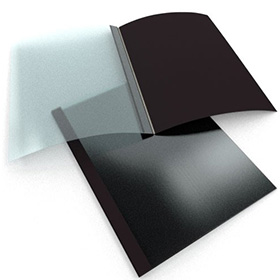
- Velobind: Sometimes called strip binding, Velobind uses a thin plastic binding strip that is applied to the edge of the document. Velobind can be applied using a hot knife Velobind system that rivets the strips in place or using recloseable Velobind strips that snap into place.