






When you purchase a binding machine, there are a lot of things to consider. In addition to the brand name, cost, type, and quality of the device, you’re going to need to think about its punching capacity. Here’s what you need to know about this important feature so you can choose the device that’s perfect for you.
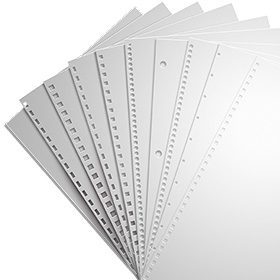
- Punching capacity refers to how many pieces of paper a binding machine can punch at one time. It’s an important thing to keep in mind, especially if you’re going to be assembling thick books. That’s because the more paper you need to punch, the more time it will take you to bind your documents.
- It’s pretty obvious that punching capacity varies from machine to machine. It can even vary among binding methods. For example, you can typically process a lot of sheets with a three-hole punch (especially a heavy-duty electric model) but it’s difficult to do so with a twin-loop wire device. Plastic comb binding machines – especially the higher-end ones – can work with a good amount of paper at once, which is one of the reasons why this bookbinding method is so popular. So be sure to research different methods before choosing a device.
- While it’s good to choose a device with a good punching capacity, one thing to keep in mind is how much effort is needed to punch the paper. The handles and levers of manual devices can be pretty difficult to bring down, especially if you’re working with a lot of paper. This can get tiring, especially if you’re assembling a large amount of books.
- You should never punch more paper than the machine can handle in one lift. This is extremely hard on the dies and it can cause them to prematurely wear out, especially if you do this often enough. (And, after spending good money on a bookbinding device, it can be really frustrating to have to buy a new one.) Also, if you punch more than you should, you’re unlikely to get the results you need. The holes won’t look very clean and overall, it will make your document look shoddy. So take the extra time to punch smaller amounts. You’ll be glad you did because it will save you money and make your work look much better.
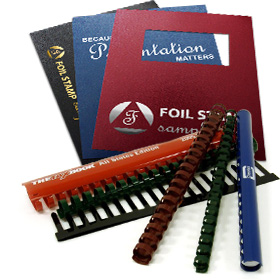
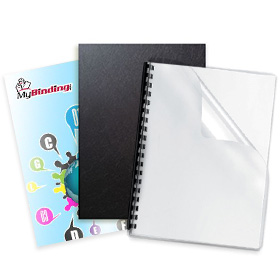
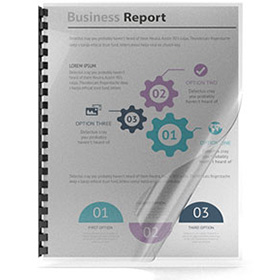
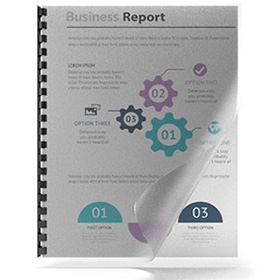
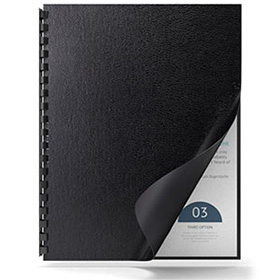
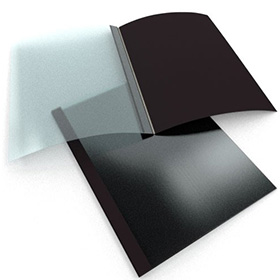
- If you want to work with plastic binding covers, they may need to be punched before you can use them. (Some are pre-punched, which is nice and convenient.) Be sure to never process more than two covers at a time. Plastic is hard enough to work with as it is, so overdoing it can really do a number on your machine.
When evaluating punching capacity, it is important to take into consideration a few key points:
- When evaluating a manual binding machine that has a high stated capacity, such as 20 or more pages per punch, it is important to consider the manual effort that it takes to pull the lever to punch the stack of paper. The punch may be capable, but that does not mean that it will be easy to punch that many pages. A longer handle makes it much easier to punch through greater amounts of paper, but it is still a manual process.
- What style of punching are you doing? 3-hole punching has the highest capacity while 5:1 coil is the lowest. This is due to the large number of holes and how close together they are. All machines will vary based on the style of punching that you need. Coil binding systems and wire binding systems will always punch less than plastic comb and Velobind.
- The goal of punching a page is to cut a hole in the page, keeping its appearance and durability. When punching a large number of pages, you are actually pushing paper through paper, but not cutting paper. The result is that the pages are stuck or ‘riveted’ together and need to be separated. In addition, when punching a coil or wire pattern with several small holes that are close together, the paper strength is degraded between the holes. The result is that the pages could easily tear out of the book.
- Over-punching has a negative effect on your punch as well. Even though the motors are strong enough to handle the punch, it still has greater wear and tear on your system. Die sets (which are the actual punching pins) will probably be the first to give out. You will notice rougher edges on your punches and hanging chads left on the back of you pages.
- Clear covers should be punched in pairs only. Punching a stack of plastic covers is one of the easiest ways to break your punch. Punch them in sets of two or punch them collated in with your document. Another great option is to get prepunched clear covers, and eliminate the wear and tear on your machine all together.
- When punching for production, we have found that our highest volume users consistently grab the same amount of pages for every punch, regardless of punching style. You will find that things will work faster in the long run if you train your self to take 15 to 20 sheets per lift. You will find that you will abuse your system if you always try to punch the maximum, mispunch pages due to over stuffing the punch slot, and be continuously adding or deleting pages from your punch lift. Grab a consistent stack of 15 to 20 sheets, and your punch will always be clean and consistent and you will get a much longer life from your punch and die sets. If you find it difficult to grab the same number of sheets every time you might consider the Rhin-O-Tuff Picks a Lift paper separator which will divide your documents into even sections and increasing productivity by over 50 percent.
That’s what you need to know about punching capacity. Just remember that when you use your device, it’s important to not punch too much paper (or too many covers) at once. Happy bookbinding!