

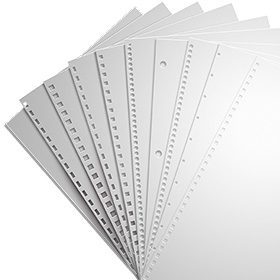
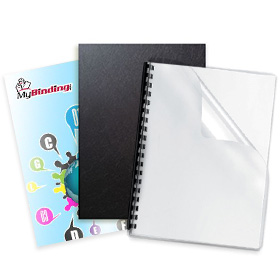
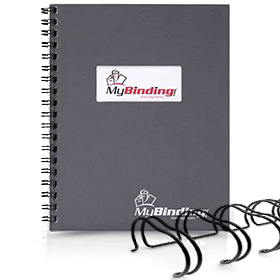





Do you need to rebind a document but don’t know what type of binding element you should use? If so, don’t fret because there’s any easy way to find out what supplies you should use. You do this by looking at the hole pattern punched into the document. Here’s the lowdown on the hole patterns for six popular binding methods so you can determine which binding implements you should use for rebinding your document: 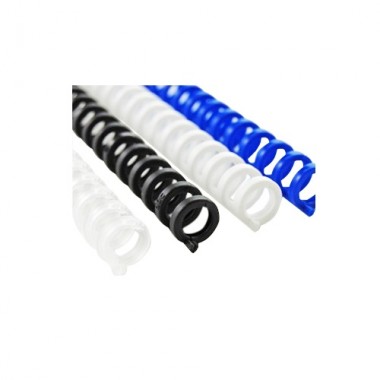
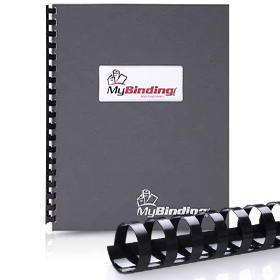
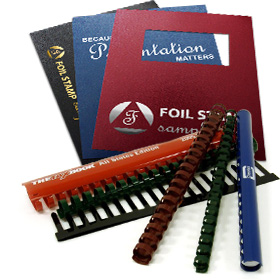
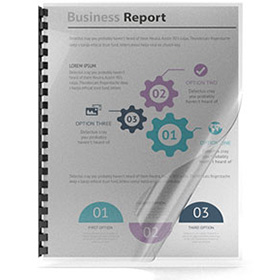
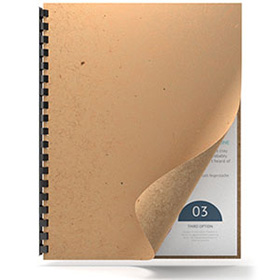
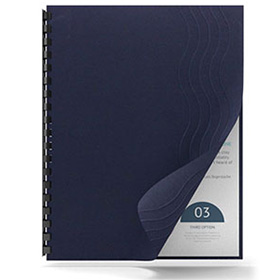
- Plastic comb binding uses 19 rectangular holes that are evenly spaced. This is the same hole pattern used with GBC ZipBind spines.
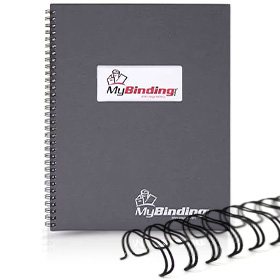
- Twin-loop wire binding uses two hole patterns. The first is for 3:1 pitch spines which use 32 round or rectangular holes. The second is for the 2:1 pitch spines. These spines require a square or round 21-hole pattern.
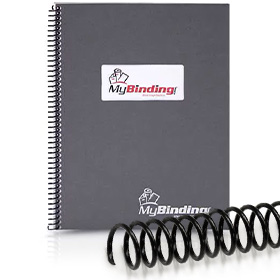
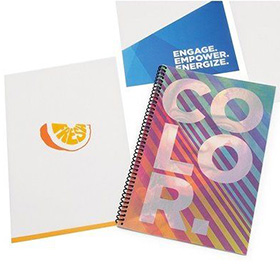
- Color coils use a 43 or 44-hole pattern so long as the coils are of the 4:1 pitch variety. Some documents are bound with 5:1 pitch coils. Those documents will have 54 or 55 holes punched in them.
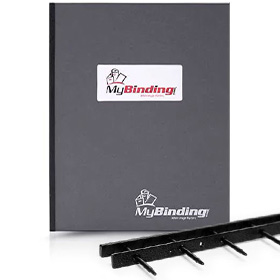
- GBC Velobind strips come in 4, 6, and 11-pin varieties. However, your document likely has 11 holes in it no matter which strip(s) was used. The holes are small and round so be sure to look for them.
- GBC SureBind strips require a 10-hole pattern. These round holes tend to be unevenly spaced so that plastic combs can be used if necessary.
- Finally, GBC ProClick spines use the same hole pattern that’s needed for binding with 3:1 pitch wire spines. If the holes seem a bit larger than the ones produced by a wire binding machine, it’s probably because the document was punched with a GBC ProClick Pronto device. It’s nothing to worry about. Just go ahead and rebind your document.