

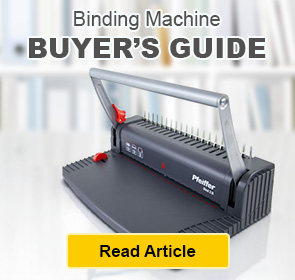
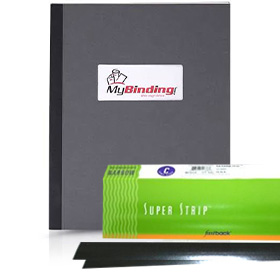
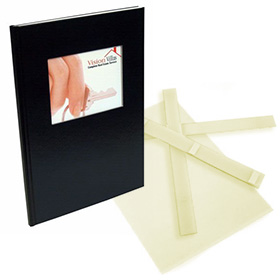
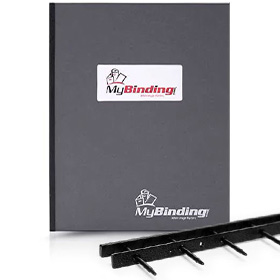

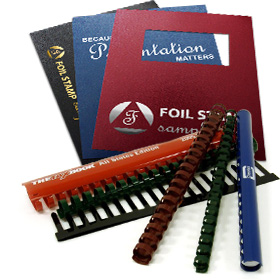
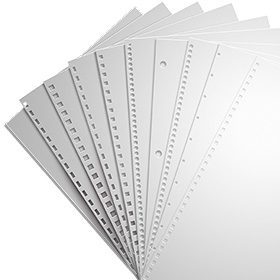

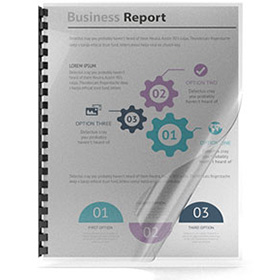



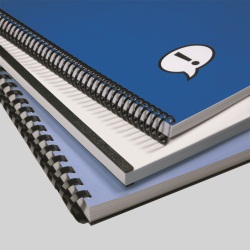
- If you have a binding machine equipped with disengageable dies, you can use it to put together your document. Since your device is equipped to handle the long side of a 8.5” x 11” sheet of paper, you can “turn off” some of the dies so your paper will be punched properly. This will ensure that the document has the right number of holes.
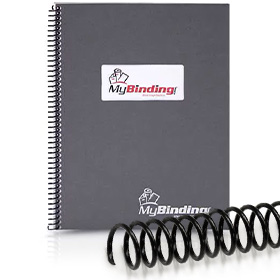
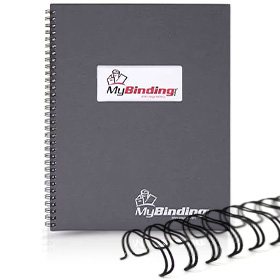
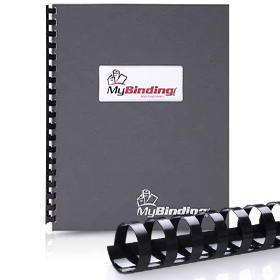
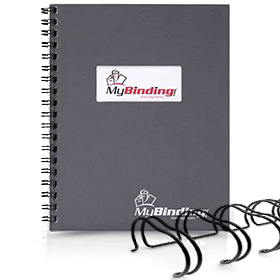
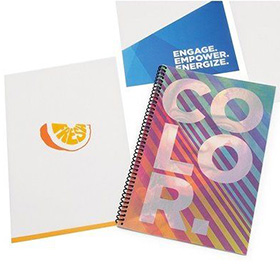
- Now you’ll need to make sure that you have the right binding supplies for your project. Plastic combs can be special ordered in 8.5” lengths as can color coils. You could even take one of the binding elements and cut it down to the appropriate length with scissors. (You can also do this with GBC ZipBind and ProClick spines if you prefer those supplies.) If you have a wire binding machine, it’s possible to order the right spines, although it could take a while to get them due to the nature of custom ordering. And if you’re using a VeloBind device, you can just purchase strips that are the right length.
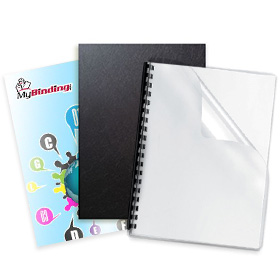
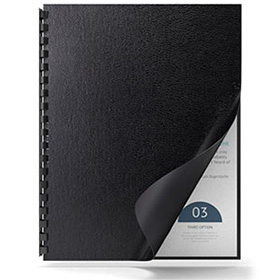
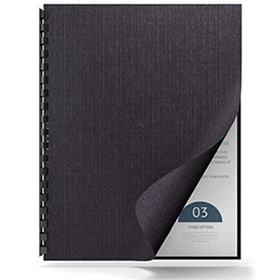
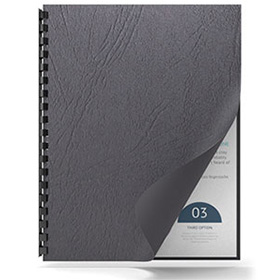
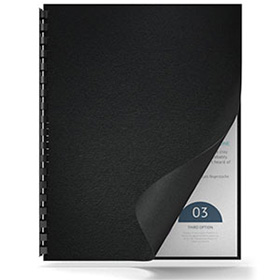
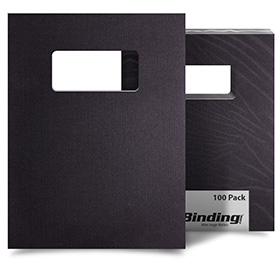
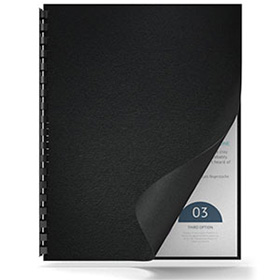
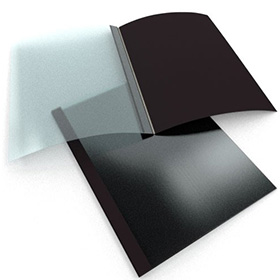
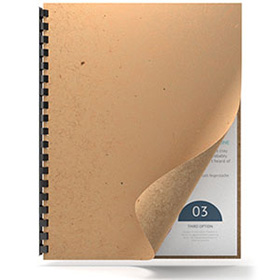
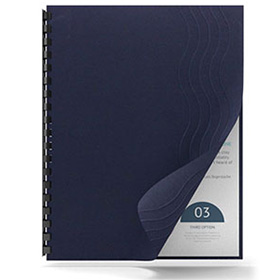
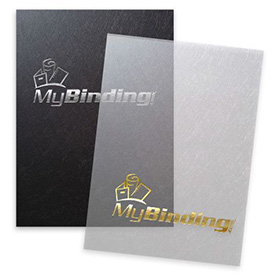
- Once you have your binding elements, it’s time to select the covers for your documents. If you can get access to a paper trimmer, you can just cut regular-sized covers down to the appropriate dimensions. (If you’re working with plastic covers, make sure you’re using a cutter than can handle non-paper materials.) You can also purchase half-letter size covers but finding them can be a bit of a challenge. You should also make sure you have the right size paper on-hand and be ready to trim the sheets if necessary. (Slicing a stack of 8.5” x 11” sheets in half is a quick and easy way to get the right paper for your work.)
- Once you have all of your supplies ready to go, you can start binding your documents. Once you make sure the appropriate dies are disengaged (if applicable), you can bind your work in the usual manner. If you have any questions about how to operate your machine, be sure to consult the instruction manual.