











For users of interchangeable die binding punches, it might seem like your die will last forever. Unfortunately, this is not the case. Over time, the die that you use to punch your documents will begin to dull, which causes a lot of problems and headaches. Here we help you to recognize the signs of an aging die, to remind you of the benefits of a well maintained die and to give you some tips for maintaining your dies.
First, let’s look at the signs of an aging die. There are three primary ways that you will know that your die is becoming dull and may need maintenance.
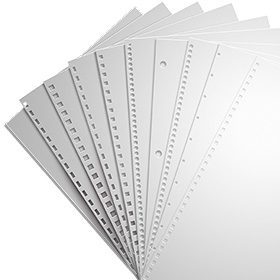
- As the die becomes dull, it will begin to leave paper tabs behind on your punched paper. These little pieces of paper or “chads” are often not fully severed from the paper and you will need to tear them off one at a time to remove them. Definitely not a very fun project.
- Over time you will notice that the edges of the holes that you are punching in the paper become ragged. When a die is new, the holes are clean and crisp even when you punch larger lifts of paper. However, as the pins become dull even single sheets of paper will look ragged.
- When punching plastic or poly covers with your die, you will notice that the covers are stretching instead of cutting cleanly. Again, you might see that the tabs are left behind on the punched covers and may even notice stress marks in the plastic as they stretched during the punching process.
Once you notice these problems, things are really too late in terms of die maintenance. You are going to need a new punching dieset. However, if you are reading this article and your die is not yet experiencing these symptoms or if you want to stretch a little bit more life out of your die, here are a few tips to consider.
- Forget about a maintenance program for your die. What GBC and the other maintenance programs don’t tell you up front is that they will charge you enough for “die maintenance” to simply replace the die. If you get a notice in the mail for a Die and Tune-up Special just throw it away. If you need a replacement die then buy one. Otherwise follow the next few guidelines.
- Punch no more than 2 sheets of plastic or poly covers per lift. Even if your machine says that it will punch 50 sheets of paper per lift you still don’t want to punch more than 2 sheets of plastic. As plastic stacks up, it takes on properties like cement. Punching large volumes of plastic is the single easiest way to ruin your punch and dull your punching dies.
- Remember to empty your paper waste tray on a regular basis. If chads are allowed to back up in the tray under the machine it can put additional stress on the dies and impede punching. If they back up enough, you can ruin your die or burn up the motor in your punch.
- Don’t punch wood, cardboard, heavy duty plastic (above 30 mil) with your machine. These materials will quickly ruin your dies. If you do think you might need to punch these materials you should be aware that you might need to replace your die sooner than is normal. Also note that under no circumstances should you ever try to punch metal with your machine. It will not work and you will ruin your punch.