



So, you want to start laminating at home but don’t know where to start. You certainly aren’t alone. A laminator can be a great addition to your home. Just think of all the times you’ve wanted to preserve a precious photograph, protect important documents, or even help your child out with a craft or school project. But there are so many options out there it can be hard to narrow down which machine is right for your needs. This brief guide will help you determine what to consider when buying a laminator for your home.
How Much Laminating Will You Be Doing?
When shopping for laminators, the first thing you will notice is that there are roll laminators and there are pouch laminators. Most likely, for home laminating, pouch laminating will be the best route for you. These machines are super easy to use and utilize precut laminating pouches to encapsulate your page. These pouches come in a ton of standard sizes, so more likely than not you will be able to find an option for every project.
The main reason you may want to consider a roll laminator instead is if you plan on doing a lot of laminating in all shapes and sizes. These machines are often more expensive than their pouch counterparts but utilize film rolls that give you a bulk amount of laminating film which can lead to long-term savings. You also may find more commercial and luxury finish options for your film in roll form. However, these machines can take up a lot more space, may involve a steeper learning curve, and probably won’t justify the price for those looking for basic at-home laminating.
For this guide, we are going to assume you are the average at-home laminator and will be focusing on pouch laminators. If you are a hardcore DIY/crafter or looking to start an at-home business and are interested in roll laminators you can learn more about them here.
What Will You Be Laminating?
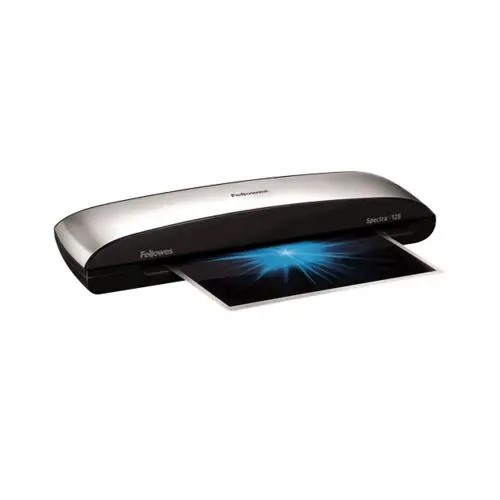
Next, ponder what you think you’ll want to be laminating. Pouch laminators can handle anything its size and smaller. If you anticipate only working with small to medium items such as photos, documents, and cards, a small device such as the Fellowes Spectra 95 would be a great choice. It’s affordable and capable of laminating anything from business cards to letter-sized pages. If you want to protect something a bit larger like posters or large prints, you’ll need a bigger machine. A couple of options include the Tamerica / Tashin SM330 and the Swingline GBC Fusion 6000L, both of which were designed with home use in mind and can accept projects up to 13 and 12” wide respectively.
Turn Up the Heat or Keep it Cool?
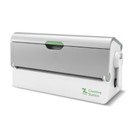
One important thing to keep in mind is if the machine can run hot, cold, or both. Hot lamination the most common and is great for laminating a variety of items, but having a hot machine can damage some items including heat-sensitive pictures, older documents, and anything that you print with an ink-jet printer/water-based ink. If you want to safely laminate these items, you will need a machine with a cold setting, such as the Fellowes Halo 95, or a fully cold laminator like the Xyron 9” Creative Station — note that this is a cartridge-based roll laminator, not pouch. Cold laminators also have the added bonus of not always requiring electricity so you could laminate wherever, whenever. You could also use self-adhesive laminate sheets to laminate these items without a laminator. That being said, for the most uses and functionality, you will want a laminator with both hot and cold settings. That way you’ll have the best of both worlds.
What Safety Features Do You Need?
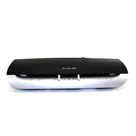
Thermal laminators can be dangerous if you have kids or pets running around that may bump into a hot machine. Therefore, you need a machine with adequate safety features. One feature to look for is an automatic shut-off, which will cause the device to power off after a period of non-use. This cuts down on the risk of fire and injury, plus it means the laminator’s motor won’t overheat helping it last longer. You could also get a machine with double-insulated walls that will trap heat inside or other outer cooling mechanisms to eliminate the risk of burns. Going the cold laminating route will also eliminate this risk.
With these four simple questions, you should be well on your way to narrowing down your options for buying a laminator for your home. We encourage you to continue exploring our knowledge base for more information on pouch laminators, avoiding and fixing pouch jams, top laminator brands, and more. If you still need help with your search feel free to reach out to us and we are happy to answer any questions and guide you in the right direction.